
"coffee roasting in America"
7000 article(s) found

Introduction to the story of the flavor description of the roast degree of coffee beans in Latin America
Latin American coffee beans characteristic roasting degree flavor description before the introduction to the growth conditions are relatively high, and more delicate, but of good quality, containing 1% of the unit weight of caffeine. The latter is much stronger than the strong, with low environmental requirements, low altitude, cold resistance and even can prevent their own virus, but the taste is more astringent, the coffee contained.

Coffee producing areas in Latin America introduce what kind of coffee to drink, American-style coffee beans.
Boutique coffee is fresh coffee. Whether it's food or drink, of course, the fresh the better, and so is boutique coffee. High-quality coffee should keep the coffee beans fresh before making, including the preservation of baked beans, and grind the coffee beans into powder before making, which is also to retain its original and best flavor. And the way of making hand-made coffee is such a way to make high-quality coffee.

Nestle capsule coffee machine official website, what is coffee capsule?
Nestle capsule coffee machine official website, what is coffee capsule? Many people may hear the word coffee capsule for the first time and feel confused and feel like medicine. In fact, the word is translated from the English capsule, because its own small aluminum platinum space contains coffee powder, so the name. Because the wall of the capsule is hard and can maintain the prototype at high temperature, so

Guatemala coffee beans roast Guatemala sun-baked coffee beans roast sharing
Professional coffee knowledge exchange more coffee bean information please follow the coffee workshop (Wechat official account cafe_style) front street Guatemala Blueberry Manor Patch baking curve sharing Guatemala is located in Central America, where the unique geographical environment, north and North America, south and South America border. Facing the Caribbean Sea and the Gulf of Mexico, the climate is hot and humid, and it has always been
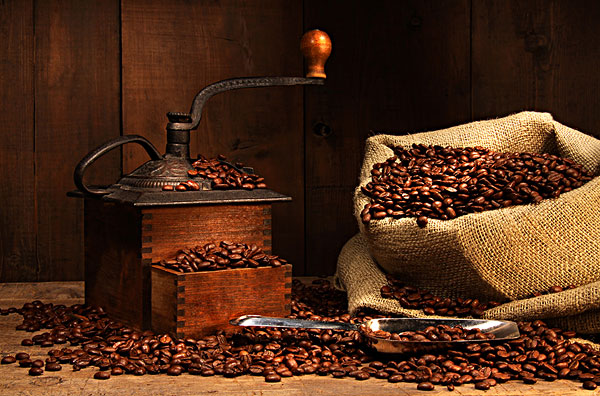
Three continents of coffee producing areas: a detailed introduction of coffee beans in America
Latin America (Latin America) in 1721 French naval officer de Klee (Gabriel Mathieu de Clieu) experienced difficulties and obstacles to bring the first coffee sapling from Africa to the Latin American island of Martinique, which was the origin of coffee cultivation in Latin America. Because at that time, France was under the reign of the Bourbon dynasty, and Elaraby was grown in Latin America.

Introduction of manor varieties in environmental producing area of Arabica coffee bean growing area in Latin America
Medial/City/Full city/Espresso/Dark/French Columbia beans are one of the few coffee beans that range from shallow roasting to very deep roasting, ranging from light roasting to deep roasting sweetness. In such a wide range, Colombian beans will have a different appearance.

Introduction to the description and treatment of taste and flavor in the characteristic producing areas of coffee farms in Latin America
El Salvador aroma 4% brightness 4.5% mellow 3% flavor 4.5% aftertaste 4.5% suitable for baking degree: if City/Full city city has a preference for thick flavor, it can be roasted a little deeper. Most people think of El Salvador as a war.

Introduction to the flavor and taste characteristics and roasting degree of Peruvian organic coffee beans in America
Flavor and taste characteristics: high-quality and balanced, palatable acidity, can be used for mixed drinks, Peruvian coffee does not have a long history, but as a rising star, Peruvian coffee is gradually opening up its popularity and entering the world. Peru is located in western South America, with a coastline of 2254 kilometers. The Andes runs from north to south, and the mountains account for 1% of the country's area. it belongs to the tropical desert region with a dry climate.

A brief introduction to the Grinding Calibration method for the description of characteristic Flavor of Coffee growing area in Latin America
A brief introduction to the Grinding scale of the characteristic Flavor description of Coffee growing areas in Latin America the cultivation and production of coffee in the 17th century has always been monopolized by Arabs and is of great value in Europe, and only the upper echelons of Europe can drink coffee. Until 1690, a Dutch captain sailed to Yemen, got some coffee seedlings, and began to plant successfully in Dutch India (now Indonesia).

Grinding and roasting of boutique coffee beans at Manor Lina, Nicaragua, one of the poorest countries in Central America
Nicaragua is one of the major coffee-producing countries, producing high-quality coffee. Even coffee from the Antigua Mountains of Guatemala, which is famous in Asia, imports raw beans from Nicaragua. Although Nicaraguan coffee is not famous in Asia, Nicaragua coffee is already famous all over the world (Starbucks has many cooperative coffee farmers in Nepal), while several coffee-producing countries in Central America

The first choice of coffee in Latin America: an introduction to the description quality of manor flavor in the country.
Latin America's first choice coffee Mexico (Mexico) aroma 3 points brightness 4 mellow 3 points flavor 4 points aftertaste 4 points suitable for baking: Full cityfull city, roasted to the beginning of the pot, whether mixed with the formula to make Espresso or brew a single product, Mexican coffee beans can be said to have a unique flavor. Mexican coffee from Cottpe and Veracruz in the north to the middle
High quality Sanrita estate coffee beans grinding degree roasting degree processing method
Growing coffee also requires sunlight and proper shade, and is best done on fertile or volcanic ash soil. Therefore, coffee is widely distributed in South America, Central America, West Indies, Asia, Africa, Arabia, South Pacific and Oceania. Ethiopia and Tanzania in Africa, Brazil, Colombia, Jamaica, Guatemala and Mexico in Central and South America
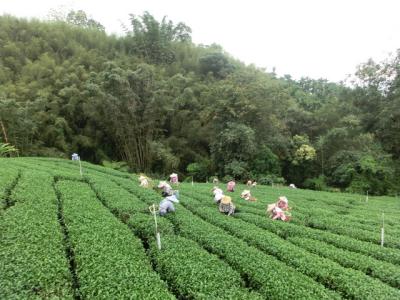
Heilongjiang "Coffee" goes to South America to grow Coffee beans: to build Chinese Coffee Brand
Harbin, the capital of northern Xinjiang, has settled in more than 400 cafes in the past three years, with a monthly coffee consumption of about 60 tons. Di Guochen, chairman of the coffee industry and communication alliance of Heilongjiang Province, told reporters that with the arrival of coffee brands in Europe, the United States and South Korea, Harbin has quietly transformed into a city of coffee culture in recent years. Di Guochen, who has lived in Brazil for many years, knows South America very well.
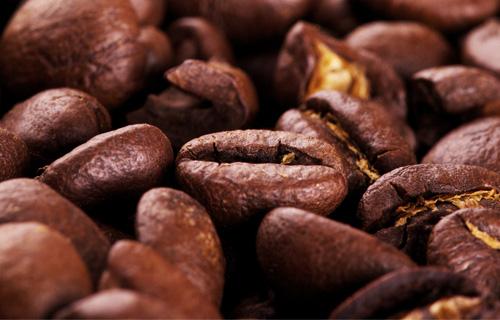
Introduction of Latin American coffee varieties and characteristics of Latin American coffee
Following Cafe (official Wechat account vdailycom) found that Beautiful Cafe opened a small shop of its own. The unique rainforest environment in some parts of Bolivia provides excellent natural conditions for the growth of organic coffee. The aroma of Bolivian coffee is rich and unique, whether it is the aroma of ground beans or the aroma of coffee, which is similar to that of flowers and flowers.

Traditional coffee drinkers in southern Europe and Latin America
People in the Middle East are obsessed with the basic way of drinking, roasting coffee beans deep to near dark (DarkRoast), usually ground into a very fine powder, and then boil several times and then add sugar to form a small cup of coffee that is extremely thick, bitter, sweet and precipitated. People sipped this small cup of coffee in an elegant and courteous manner. Southern Europeans and urban Latin America
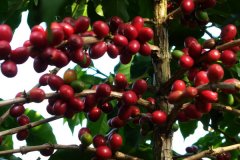
Low-acidity, moderately roasted coffee beans of the World Coffee Center of Central and South America.
Brazil, a low-acidity, moderately roasted coffee bean from the World Coffee Center, is vividly compared to the giant and monarch of the coffee world. There are about 3.97 billion coffee trees there, and small farmers now grow 75% of the country's coffee. The number of coffee producers in Brazil is twice or even three times that of Colombia, the second largest coffee producer in the world.

What are the differences between different coffee varieties?
Brazil (South America) Santos Coffee: The taste is mellow, neutral, can be boiled directly, or mixed with other types of coffee beans, it is also a good choice. II. Colombia (South America) Mantenin: Rich and solid in taste, with a pleasant sour taste. Aroma mellow, moderate acidity, rich sweetness is very interesting, suitable for deep baking, exudes a thick
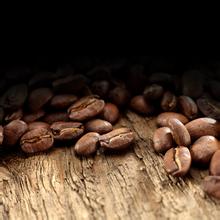
Coffee grown in South America by "coffee drinkers" in Heilongjiang Province is sold back to Harbin to create Chinese coffee products.
It is reported that after the coffee grown in South America is sold back to Harbin, Heilongjiang coffee can be stored in the comprehensive bonded area. Russia, Japan, South Korea and other neighboring countries all have the tradition of drinking coffee, but they do not grow coffee. Harbin will carry out coffee export and re-export trade to these countries to promote the in-depth development of China's coffee industry.

The cultivation of coffee beans in Latin America Starbucks Latin American coffee beans
The cultivation of Latin American coffee beans Starbucks Latin American coffee beans Peruvian coffee is not common internationally, and it is generally believed that its processing process is hasty, so the evaluation is not good, which is the result of previous state monopoly. In fact, Peruvian coffee has good growth conditions, and many of them are grown organically, so the quality of coffee beans has always been quite good. The famous producing area of Peruvian coffee is

An introduction to the differences in the description of coffee bean flavor in Asia, Africa and America
Coffee bean flavor description of Asia, Africa and America Central and South America is the largest coffee producing area in the world, where there are numerous boutique coffees. Take Colombia, Guatemala or Brazil as an example, good coffee is enough to make people dazzling. What is the resource advantage that makes Central and South America so good? French naval officer Gabriel Mathieu in 1721